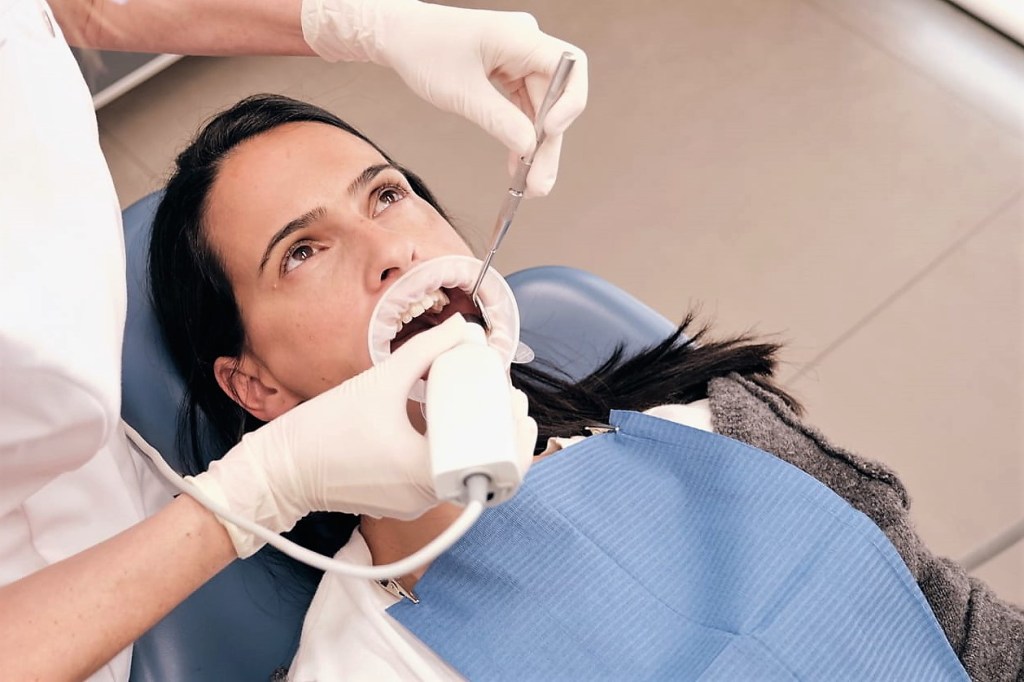
“A chipped tooth isn’t the end of your smile,” says The Dental Krewe. “With the right treatment, it can be repaired quickly and beautifully, often in just one visit, so you can get back to smiling with confidence.” A chipped tooth can happen to anyone, whether it’s due to an accident, biting into something hard, or simply wear and tear over time. While it might feel like a big issue in the moment, there are several ways a dentist can fix a chipped tooth and restore your smile. In this article, we’ll explore four common methods that The Dental Krewe uses to help patients get their teeth back in perfect shape.
Understanding the Importance of Fixing a Chipped Tooth
A chipped tooth may not always cause pain, but it can lead to a range of problems if left untreated. For one, a chip can make the tooth more vulnerable to further damage. It can also affect your bite and make it more difficult to chew. Not to mention, a chipped tooth can impact your self-esteem, especially if it’s visible when you smile or speak.
At The Dental Krewe, we understand how important it is for our patients to feel confident in their smiles. That’s why we provide quick and efficient treatments to repair chipped teeth, ensuring that both the function and appearance of your tooth are restored.
1. Dental Bonding: A Quick and Affordable Fix
One of the most popular and effective ways to repair a chipped tooth is through dental bonding. This procedure is particularly useful for small chips and involves the application of a tooth-colored resin to the damaged area. The dentist will carefully sculpt the resin to match the natural shape of your tooth, making the chip nearly invisible.
How Dental Bonding Works:
- Preparation: First, the dentist will clean the chipped tooth and may etch the surface slightly to help the bonding material adhere better.
- Application: Next, a tooth-colored resin is applied to the chipped area and molded to the shape of the tooth.
- Curing: The resin is then hardened using a special light, which helps the material bond securely to your tooth.
- Finishing: Finally, the dentist will polish the bonding material to ensure a smooth and natural-looking finish.
Why Choose Dental Bonding? Dental bonding is a quick, non-invasive procedure that can often be completed in a single visit. It’s also one of the most cost-effective treatments available for minor chips. Bonding is ideal for teeth in the front of the mouth because it can be blended seamlessly with your natural tooth color.
2. Porcelain Veneers: A Durable and Aesthetic Option
For more significant chips or damage to a tooth, porcelain veneers may be the best solution. Veneers are thin, custom-made shells of ceramic material that are placed over the front surface of the tooth. They are highly durable and can provide a long-lasting, natural-looking result.
How Porcelain Veneers Work:
- Consultation and Impressions: The dentist will first assess the extent of the damage and take impressions of your teeth to create custom veneers that perfectly fit your smile.
- Preparation: To prepare for the veneers, the dentist will remove a small amount of enamel from the front of the tooth to ensure a proper fit.
- Bonding: The veneers are then bonded to the teeth using a strong adhesive, and adjustments are made to ensure they align with your bite and look natural.
- Final Adjustments: After the veneers are placed, your dentist will check for any adjustments needed to ensure they feel comfortable and fit well with your natural teeth.
Why Choose Porcelain Veneers? Porcelain veneers are an excellent choice for those looking for a more permanent solution to chipped teeth. They not only improve the appearance of the damaged tooth but can also enhance the overall aesthetic of your smile. They are highly resistant to staining and provide a natural, glossy finish.
3. Dental Crowns: A Strong Solution for Larger Chips
For larger chips or fractures that extend below the surface of the tooth, dental crowns are a more extensive option. A dental crown is a cap that completely encases the damaged tooth, providing both strength and cosmetic restoration. Crowns are commonly made from porcelain, ceramic, or metal alloys, depending on the location and function of the tooth.
How Dental Crowns Work:
- Initial Preparation: The dentist will first clean the damaged tooth and remove any decayed or weakened areas. Then, the tooth will be reshaped to ensure the crown fits snugly.
- Impressions and Temporary Crown: Impressions are taken of your tooth and surrounding teeth to create a custom crown. A temporary crown will be placed while the permanent one is being made in the dental lab.
- Final Placement: Once the permanent crown is ready, the dentist will place it over the prepared tooth, ensuring it fits comfortably and aligns with your bite.
Why Choose Dental Crowns? Crowns are a durable and protective solution for severely damaged or chipped teeth. They are ideal for back teeth, where chewing forces are stronger. Crowns can restore the function of the tooth while providing a natural-looking appearance.
4. Root Canal Treatment and Crown: For Chips with Deep Damage
In some cases, a chip may be so severe that it exposes the pulp (the soft tissue inside the tooth), leading to pain or infection. When this happens, a root canal may be necessary before placing a crown over the tooth. Root canal treatment removes the damaged or infected pulp and seals the tooth to prevent further damage.
How Root Canal and Crown Treatment Works:
- Root Canal Procedure: The dentist will access the inner part of the tooth, remove the infected pulp, and clean the root canals. Afterward, the tooth is sealed to prevent further infection.
- Crown Placement: Once the tooth is free of infection and sealed, a crown is placed over it to restore its function and appearance.
Why Choose Root Canal and Crown Treatment? Root canal therapy is essential when a chipped tooth causes significant internal damage. This procedure helps save the tooth and prevent further complications. After the root canal, the crown will provide strength and protection for the tooth.
Conclusion: Restoring Your Smile with The Dental Krewe
No matter how minor or severe the chip, there are effective solutions available to restore your tooth’s function and appearance. Whether you need dental bonding, porcelain veneers, a dental crown, or a root canal and crown combination, The Dental Krewe is here to provide high-quality care tailored to your needs. We understand that a chipped tooth can be worrying, but with the right treatment, you can have it repaired quickly and beautifully, often in just one visit.
Remember, “A chipped tooth isn’t the end of your smile,” says The Dental Krewe. We’re dedicated to helping you get back to smiling with confidence. If you’ve chipped a tooth or are experiencing any dental discomfort, don’t hesitate to contact us today to schedule an appointment. Our team is ready to help you restore your smile to its full potential!
 Site Title
Leave a comment