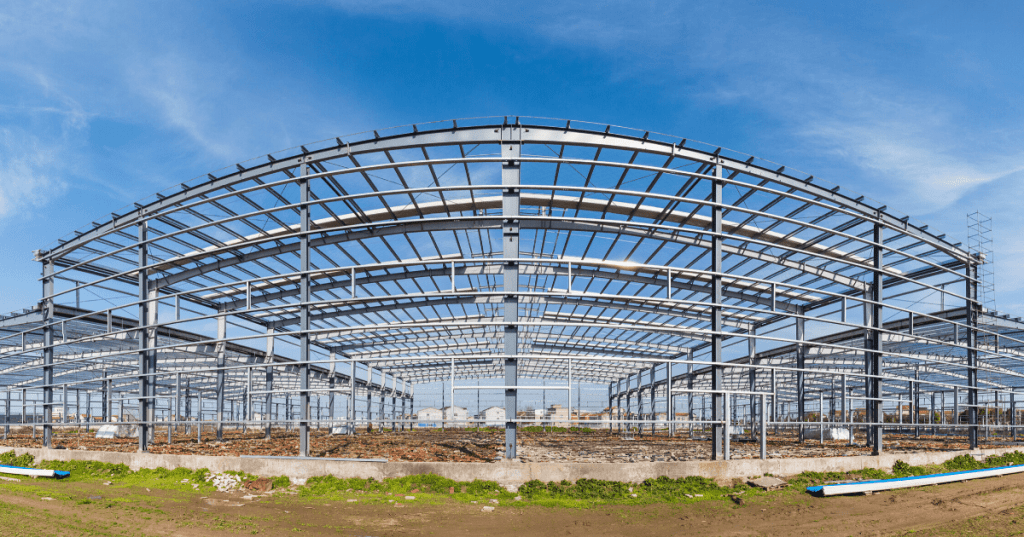
Prefab metal buildings are gaining popularity across various sectors for their durability, affordability, and adaptability. Whether used for commercial, agricultural, residential, or industrial purposes, these structures offer practical benefits that make them a preferred option over traditional construction methods. In this article, we will explore the concept of prefab metal buildings, their advantages, applications, and what to consider before investing in one.
What Are Prefab Metal Buildings?
Prefab metal buildings, short for prefabricated metal buildings, are structures that are manufactured off-site in a factory setting and then shipped in components to be assembled at the construction location. These components typically include pre-engineered steel frames, roof panels, wall panels, and fasteners. Because they are manufactured under controlled conditions, prefab metal buildings offer consistent quality and faster construction times compared to conventional buildings.
Advantages of Prefab Metal Buildings
1. Cost-Effective Construction
One of the most significant advantages of prefab metal buildings is their cost-efficiency. Traditional building methods involve numerous labor hours and often incur additional costs due to delays, waste, or weather-related disruptions. In contrast, prefab metal buildings minimize labor costs and reduce material waste, helping keep projects within budget.
2. Quick Assembly
Since the components are pre-manufactured, the on-site assembly of prefab metal buildings is significantly faster. What could take months to build using traditional materials can often be completed in a matter of weeks. This speed is especially beneficial for businesses that want to become operational as soon as possible.
3. Durability and Strength
Prefab metal buildings are engineered to withstand harsh environmental conditions. From heavy snow loads to high winds and seismic activity, these buildings are designed to be structurally sound. Steel is naturally resistant to termites, mold, and rot, which are common problems in wood-based constructions.
4. Low Maintenance
Because steel does not warp, crack, or require frequent repainting like wood, maintenance costs are lower over the life of prefab metal buildings. Many manufacturers also apply rust-resistant coatings to extend the longevity of the structure.
5. Environmentally Friendly
Prefab metal buildings often use recyclable steel, making them an eco-conscious choice. Additionally, the precision of factory manufacturing results in less material waste, and many systems are compatible with solar panels and energy-efficient insulation options.
Common Applications of Prefab Metal Buildings
Prefab metal buildings are highly versatile and can be used in a wide range of applications. Here are some of the most common uses:
1. Warehouses and Storage Facilities
Thanks to their open interior spaces and high ceilings, prefab metal buildings are ideal for warehousing. They can be designed to accommodate large inventories, forklifts, and storage racks with ease.
2. Agricultural Buildings
Farmers often turn to prefab metal buildings for barns, equipment storage, and livestock shelters. Their resistance to pests and weather makes them perfect for agricultural use.
3. Commercial Structures
Retail stores, office buildings, and auto repair shops often use prefab metal buildings due to their customizable layouts and professional appearance. Glass storefronts, interior partitions, and HVAC systems can all be integrated.
4. Industrial Use
Manufacturing plants, recycling centers, and other industrial facilities benefit from the robustness of steel structures. The buildings can be outfitted with cranes, exhaust systems, and other specialized equipment.
5. Residential and Garages
Many homeowners are using prefab metal buildings for detached garages, workshops, and even full-sized homes. These buildings can be customized with insulation, drywall, and traditional finishes to look and feel like conventional housing.
Key Considerations When Buying Prefab Metal Buildings
While prefab metal buildings offer many advantages, several important factors must be considered before making a purchase.
1. Building Codes and Permits
Before installation, it’s crucial to check local building codes and secure the necessary permits. Prefab metal buildings must meet zoning regulations, and different regions have different requirements based on climate and use.
2. Size and Design
Decide on the size and design that suits your needs. Do you need high ceilings? How many entry points? Will the building require windows or interior walls? Most manufacturers offer customizations to fit your exact requirements.
3. Foundation Requirements
Prefab metal buildings typically require a concrete foundation. Ensure the ground is properly prepared and leveled, and consult with a contractor to install a foundation that matches the specifications of your building.
4. Insulation and Ventilation
Steel is a conductor of heat and cold, so proper insulation is essential for maintaining comfortable temperatures inside the building. Adequate ventilation is also important, especially for buildings that will house people or animals.
5. Supplier Reputation
Not all prefab metal building manufacturers are equal. Research the reputation of suppliers, read customer reviews, and ask about warranties, delivery timelines, and customer service.
Customization Options for Prefab Metal Buildings
One of the biggest selling points of prefab metal buildings is the ability to customize nearly every aspect of the structure. Here are some common customization options:
- Color Choices: Choose from a wide range of roof and wall panel colors.
- Windows and Skylights: Add natural light to your building with skylights and windows.
- Doors: Install roll-up doors, walk-in doors, or oversized entryways based on usage.
- Interior Layout: Create separate rooms or sections within the building using partition walls.
- Exterior Finishes: For added aesthetics, brick, stone, or wood veneers can be added to the building’s exterior.
Why Prefab Metal Buildings Are the Future
The demand for prefab metal buildings is growing due to their unmatched convenience and adaptability. As construction costs rise and timelines shrink, more industries are turning to prefabricated solutions. These buildings provide a smart alternative to wood, concrete, and other traditional materials without compromising on safety or style.
Prefab metal buildings also support green construction practices. With steel being one of the most recycled materials on the planet, choosing prefab metal buildings helps reduce environmental impact.
Final Thoughts
Prefab metal buildings offer a reliable, economical, and sustainable construction option for a wide range of uses. Whether you need a warehouse, barn, workshop, or even a home, these structures provide flexibility, durability, and value for money. As technology and design capabilities continue to evolve, prefab metal buildings will likely become an even more popular solution for both personal and commercial projects.
Before making a decision, consult with trusted suppliers, understand your specific requirements, and plan ahead for future expansion if needed. With the right approach, prefab metal buildings can meet—and often exceed—your expectations.
 Site Title
Leave a comment