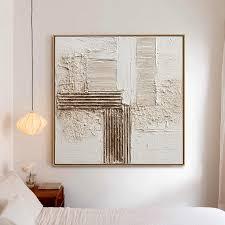
In a world dominated by fast-paced living and overwhelming visual stimuli, art that invites calm and reflection has a unique appeal. Balanced Stillness Wabi-Sabi textured art embodies this philosophy, offering more than just aesthetic pleasure. It is an exploration of balance, imperfection, and the beauty inherent in natural forms. Rooted in Japanese design principles, Wabi-Sabi celebrates simplicity, authenticity, and the quiet poetry of imperfection. This form of textured art transforms interiors into spaces of contemplation and gentle mindfulness.
The Philosophy Behind Wabi-Sabi
Wabi-Sabi is not just a style; it is a way of seeing the world. It acknowledges impermanence and imperfection, emphasizing a deep appreciation for what is natural and unrefined. In Balanced Stillness Wabi-Sabi textured art, these principles manifest through organic textures, subtle layering, and earthy tones. Unlike hyper-realistic or overly polished art, Wabi-Sabi textured pieces embrace asymmetry, irregular shapes, and raw surfaces, inviting viewers to connect with the authenticity of the materials and the artist’s hand.
The “balanced stillness” aspect of these artworks refers to the tranquil harmony achieved through mindful composition. Despite irregularities or rough textures, each piece conveys a sense of equilibrium. The eye naturally follows the gentle flow of layers, ridges, and color shifts, creating an immersive visual rhythm that feels both spontaneous and intentional.
Textured Surfaces and Tactile Depth
One of the defining characteristics of Balanced Stillness Wabi-Sabi textured art is its tactile dimension. Unlike flat, two-dimensional paintings, textured art engages multiple senses. Layers of paint, clay, or mixed media build a surface that invites touch—or at least evokes the sensation of touch. The irregularities in texture tell a story of process and time, revealing the artist’s deliberate movements and the material’s natural behavior.
These tactile elements do more than add visual intrigue; they foster a meditative experience. Observers are drawn into the subtle variations in depth, noticing how light interacts with raised surfaces or how shadow accentuates contours. Each viewing can reveal something new, making the art a companion for slow, contemplative engagement rather than a fleeting glance.
Neutral Tones and Visual Harmony
Color plays a crucial role in establishing calmness in Balanced Stillness Wabi-Sabi textured art. Soft, neutral tones—muted grays, warm beiges, gentle browns, and hints of off-white—create a serene palette that encourages relaxation and reflection. These subdued colors harmonize effortlessly with minimalist or Japandi interiors, complementing natural wood, stone, and other organic materials.
Unlike bold, saturated palettes that command attention, these neutral tones support a sense of quietude. They allow the textured surfaces and compositional subtleties to shine, inviting viewers to linger and explore. Even slight variations in hue or gentle washes of color contribute to a sense of depth and complexity, adding emotional richness to the seemingly simple surfaces.
Integrating Wabi-Sabi Art Into Modern Spaces
Modern interior design often celebrates clean lines, open spaces, and restrained decoration. Balanced Stillness Wabi-Sabi textured art fits seamlessly into these environments, offering a counterbalance to stark minimalism. Its subtle imperfections and natural forms provide warmth and character, preventing spaces from feeling cold or impersonal.
Placement is essential. Large-scale textured pieces can become focal points in living rooms, dining areas, or entryways, drawing attention without overwhelming the senses. Smaller works function as intimate accents, complementing furniture and decorative elements while maintaining a sense of understated elegance. The interplay between textured surfaces and smooth architectural features enhances the visual and tactile contrast, deepening the overall experience of the space.
The Meditative Experience of Viewing
Engaging with Balanced Stillness Wabi-Sabi textured art is more than an act of observation; it is a mindful practice. The irregular patterns, layered textures, and muted tones encourage viewers to slow down and notice details often overlooked in daily life. Each imperfection, each subtle variation in texture, serves as a reminder of the beauty in transience and the quiet charm of natural processes.
This meditative quality makes Wabi-Sabi textured art particularly suited for spaces dedicated to contemplation or wellness. Bedrooms, reading nooks, or meditation areas benefit from the serene atmosphere these pieces cultivate. Over time, repeated interaction with the artwork can inspire a heightened awareness of impermanence, simplicity, and the elegance found in the imperfect.
Craftsmanship and Authenticity
The appeal of Balanced Stillness Wabi-Sabi textured art lies not only in its aesthetic but also in its artisanal quality. Each piece is handcrafted, reflecting the artist’s sensitivity to materials and process. There is an authenticity in every brushstroke, in every layering of texture, that cannot be replicated by mass-produced art. Collectors and enthusiasts value this uniqueness, knowing that each artwork carries the imprint of human creativity and the subtle unpredictability of natural materials.
Conclusion
Balanced Stillness Wabi-Sabi textured art offers more than decoration; it is a philosophy rendered in form and texture. Its embrace of imperfection, focus on natural materials, and soothing palette create spaces that encourage reflection, calm, and mindful living. Whether displayed in a modern minimalist home, a Japandi-inspired interior, or a quiet personal sanctuary, these works invite viewers to slow down and appreciate the serene beauty of imperfection.
In a world that often prioritizes speed and perfection, Wabi-Sabi textured art reminds us that stillness, subtlety, and balance hold their own profound power. By integrating these handcrafted pieces into daily life, we can cultivate environments that nourish the senses, foster inner calm, and celebrate the artistry of imperfection. Each piece tells a story—not of flawlessness, but of beauty found in the natural, the worn, and the quietly enduring.
 Site Title
Leave a comment