Introduction: Design That Serves Both Beauty and Purpose
In modern architecture, design is no longer only about appearance—it is about experience. WarrenDW Windows and Doors represent this evolution by blending visual elegance with functional performance, creating spaces that feel both beautiful and practical.
These systems are redefining how homes, offices, and commercial buildings are designed and experienced.
The Role of Openings in Architectural Identity
Windows and doors are among the most visible architectural elements.
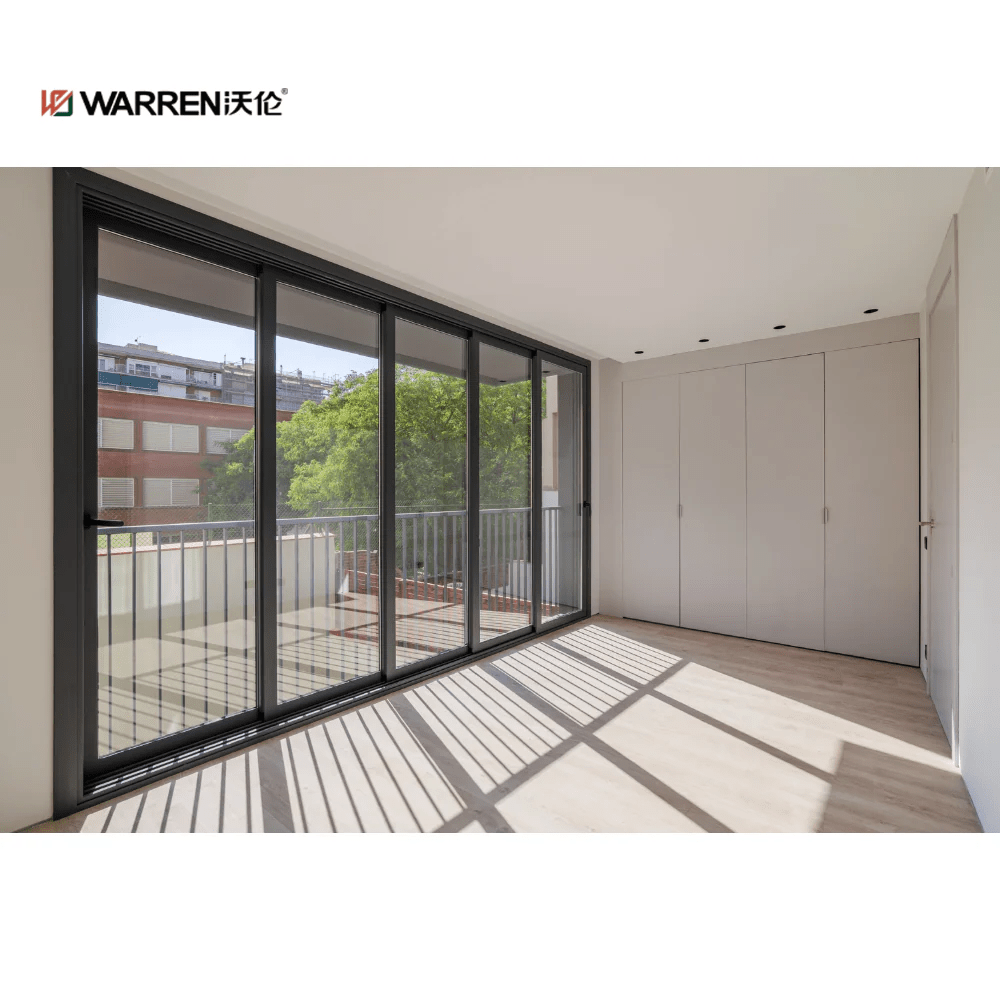
With WarrenDW Windows and Doors, they become defining features of a building’s identity rather than secondary components. Large glass panels, minimal frames, and clean lines contribute to a modern architectural language.
Minimalism in Modern Architectural Design
Minimalism is a dominant trend in contemporary design.
WarrenDW Windows and Doors support this aesthetic through:
- Slim frame profiles
- Large uninterrupted glass surfaces
- Clean geometric alignment
- Reduced visual clutter
This creates a sense of openness and simplicity.
Visual Continuity and Spatial Flow
One of the key design benefits of WarrenDW Windows and Doors is visual continuity.
By reducing barriers between interior and exterior spaces, they create seamless transitions that enhance spatial perception. Rooms feel larger and more connected to their surroundings.
Natural Light as a Design Material
Light is treated as an essential design element.
WarrenDW Windows and Doors maximize daylight penetration, reducing reliance on artificial lighting and enhancing interior atmosphere.
This improves:
- Mood and comfort
- Visual clarity
- Spatial awareness
- Energy efficiency
Interior Design Compatibility and Flexibility
Modern interiors require flexibility.
WarrenDW Windows and Doors integrate easily with various design styles:
- Contemporary minimalism
- Industrial interiors
- Luxury residential spaces
- Commercial environments
Their neutral design allows architects and designers to build around them without visual conflict.
Enhancing Indoor Comfort Through Design
Comfort is a key factor in architectural success.
These systems improve comfort by controlling:
- Temperature stability
- Natural ventilation
- Light distribution
- Acoustic balance
The result is a more livable and enjoyable environment.
Security and Design Balance
Even in open designs, safety remains essential.
WarrenDW Windows and Doors combine aesthetic openness with:
- Reinforced glass systems
- Multi-point locking mechanisms
- Secure frame construction
- Impact-resistant materials
This ensures safety without sacrificing design quality.
Urban Architecture and Modern Building Trends
In urban environments, these systems are especially impactful.
They allow high-rise buildings to appear lighter and more transparent, improving skyline aesthetics and enhancing urban design identity.
Psychological Impact of Modern Design
Well-designed spaces influence human behavior.
WarrenDW Windows and Doors contribute to:
- Reduced stress levels
- Increased sense of openness
- Improved emotional comfort
- Enhanced productivity
Design becomes a tool for improving quality of life.
Conclusion: Where Design Meets Modern Living
WarrenDW Windows and Doors represent the perfect balance of aesthetics and function.
They enhance architectural beauty while improving comfort, efficiency, and usability. As modern design continues to evolve, these systems will remain central to shaping contemporary living spaces.


Leave a comment