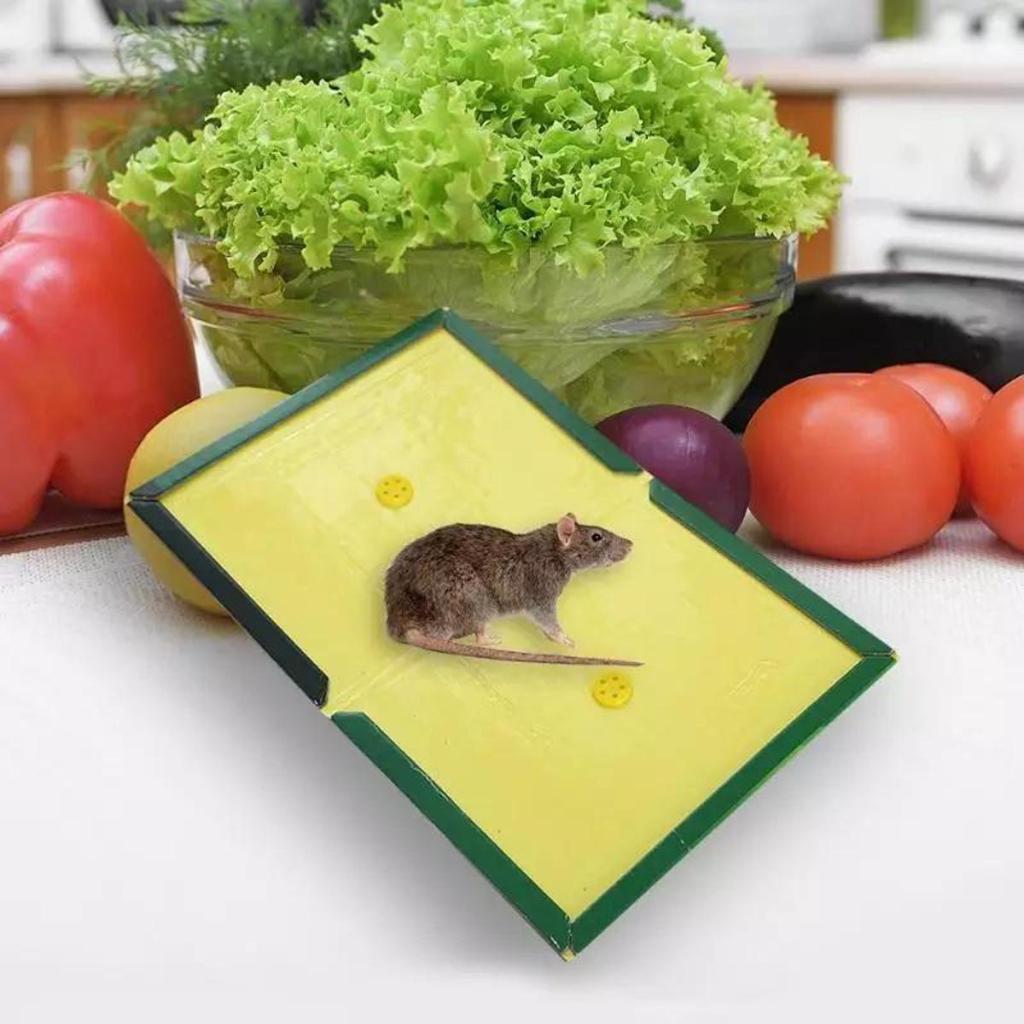
When small insects begin appearing around a home, office, pantry, garage, or storage area, identifying the source can be difficult. Many crawling pests move through dark corners and hidden spaces, making them easy to miss during the day. Sticky pads for bugs provide a straightforward way to detect and capture these unwanted visitors without relying on sprays or complicated equipment.
These adhesive traps are designed with a strong sticky surface that holds insects when they walk across it. Depending on the design, they can be placed along walls, beneath appliances, inside cabinets, near entry points, or in other areas where pest activity is suspected.
What Are Sticky Pads for Bugs?
Sticky pads for bugs are pest-control products that use an adhesive surface to trap crawling insects. Some come as flat boards, while others can be folded into enclosed traps that protect the adhesive from dust and accidental contact.
The basic concept is simple. An insect encounters the adhesive surface while moving through its usual path and becomes stuck. This allows the trap to serve two purposes: capturing certain crawling pests and helping people determine where insect activity is occurring.
Because these traps do not depend on electrical components or complicated mechanisms, they can be convenient for use in many indoor locations.
How Do Adhesive Bug Pads Work?
Most sticky pads contain a pressure-sensitive adhesive that remains tacky for an extended period under suitable conditions. The pad is positioned in a location where insects are likely to travel.
Crawling insects often move alongside walls, under furniture, behind appliances, and through narrow gaps. Placing a sticky pad across these routes can increase the chance of detecting activity.
Some products include folds or protective surfaces that make them easier to position in corners. Others are designed as open boards for areas where visibility is important. The appropriate style depends on where the trap will be used and which insects are being monitored.
Using Roach Sticky Pads for Cockroach Monitoring
Cockroaches are among the most common targets for adhesive traps. Roach sticky pads can help identify areas where cockroach activity is concentrated.
For monitoring purposes, pads can be placed near refrigerators, ovens, sinks, cabinets, walls, or other locations where cockroaches may travel. They can also be useful in commercial environments such as restaurants, food-storage areas, and warehouses when used as part of an appropriate pest-management program.
Checking the pads regularly can provide useful information. If one trap repeatedly catches insects while another remains empty, the results may indicate where activity is more concentrated. This information can help guide cleaning, sealing, and other pest-control measures.
Sticky traps should not be viewed as a complete solution for a significant cockroach infestation. A large or persistent infestation may require professional pest management and attention to food sources, moisture, cracks, and potential entry points.
Where Should You Place Bug Sticky Pads?
Placement has a major effect on how useful an adhesive trap will be. Instead of putting pads randomly in the middle of a room, consider locations where insects naturally travel.
Useful areas may include:
- Along walls and baseboards
- Behind refrigerators and other appliances
- Beneath sinks
- Inside cabinets
- Near plumbing openings
- Around storage areas
- Near doors and possible entry points
- Under furniture
- Inside garages and utility rooms
Avoid placing traps where they can be easily disturbed by children or pets. Always follow the product’s instructions for safe placement and disposal.
Benefits of Sticky Pads for Bugs
One major advantage of adhesive traps is their simplicity. They are generally ready to use and do not require batteries, power outlets, or special equipment.
They can also provide visible evidence of pest activity. Seeing insects on a trap may help confirm that a suspected pest problem is actually present. In situations where insects are difficult to observe directly, this can make monitoring easier.
Another benefit is their versatility. Different adhesive trap designs can be used for various crawling insects, depending on the manufacturer’s intended purpose. Some products are especially designed for cockroaches, while others may target a broader range of crawling pests.
Sticky pads can also complement other pest-management practices. Removing food debris, reducing moisture, sealing gaps, and maintaining clean storage areas can all help reduce conditions that attract insects.
Things to Consider Before Using Adhesive Traps
Not every sticky pad is suitable for every situation. Before purchasing one, consider the type of pest you want to monitor, the location where the trap will be placed, and the expected level of insect activity.
Dust, dirt, humidity, and heavy traffic can affect adhesive performance. A pad placed in an exposed or frequently disturbed area may become less effective over time.
It is also important to inspect traps regularly. Once a pad becomes heavily covered with insects or debris, replacing it may be necessary. Follow the manufacturer’s instructions regarding replacement and disposal.
If pets or children have access to the area, choose placement carefully. An adhesive trap should be positioned where it can monitor pest activity without creating an unnecessary risk of accidental contact.
Sticky Pads as Part of Pest Prevention
Trapping insects is only one part of maintaining a pest-free environment. Long-term prevention usually involves addressing the conditions that allow insects to survive and reproduce.
Keep food stored in sealed containers, clean crumbs and spills promptly, repair leaks, remove unnecessary clutter, and inspect cracks around walls and cabinets. Door gaps and openings around pipes can also provide routes for crawling insects.
Using sticky pads alongside these measures can make pest monitoring more practical. Instead of simply wondering whether insects are present, you can use trap results to identify activity and determine whether additional action may be needed.
Final Thoughts
Sticky pads for bugs offer a simple method for detecting and capturing certain crawling insects. Their adhesive surfaces can be useful in homes, workplaces, storage areas, and commercial environments where pest activity needs to be monitored.
For cockroach monitoring, roach sticky pads can provide valuable clues about where insects are traveling. However, traps work best as part of a broader pest-management approach rather than as the only response to a serious infestation.
With thoughtful placement, regular inspection, proper sanitation, and attention to possible entry points, adhesive traps can become a practical tool for keeping track of crawling pest activity.


Leave a comment