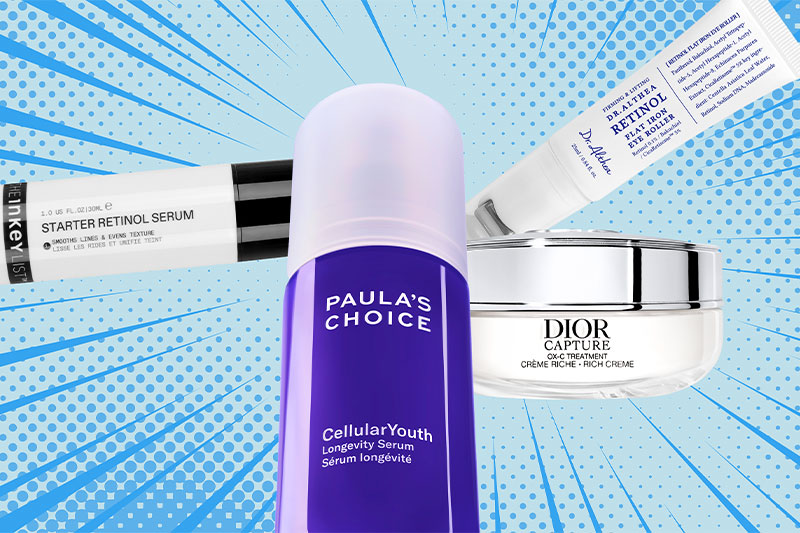
Skincare routines continue to evolve as people look for ingredients that support smoother, firmer, and healthier-looking skin without making their routines unnecessarily complicated. One ingredient receiving increasing attention is the peptide. A peptide skin care product can be found in serums, moisturizers, eye creams, and other topical formulas designed to support the appearance and condition of the skin.
Peptides are short chains of amino acids. Because amino acids are important building blocks for proteins such as collagen and elastin, peptides have become popular in cosmetic formulations focused on visible signs of aging, skin texture, hydration, and firmness. Their effects can vary depending on the specific peptide and the complete formula.
What Are Peptides in Skin Care?
Peptides are naturally associated with biological processes in the skin. In skincare formulas, selected peptides can function as signaling ingredients that communicate with skin cells and support processes related to collagen, elastin, repair, and barrier health.
Collagen contributes to the skin’s structure, while elastin helps it maintain flexibility. As people age, changes in these structural components can contribute to fine lines, wrinkles, and reduced firmness. This is one reason peptides have become common in products designed for mature or aging skin.
However, not every peptide works in exactly the same way. Different peptide types are formulated for different purposes, so reading the complete ingredient list is more useful than choosing a product simply because the word “peptide” appears on the label.
Why Use a Peptide Skin Care Product?
A well-formulated peptide skin care product may offer several benefits as part of a consistent routine.
One of the most discussed benefits is support for the appearance of firmness. Certain peptides are studied for their potential role in collagen-related processes, which may help skin look smoother and more resilient over time.
Peptides may also complement products designed for hydration and barrier support. A healthy skin barrier helps retain moisture and protect the surface of the skin from environmental stressors. Some peptide formulations combine peptides with ingredients such as glycerin, hyaluronic acid, ceramides, or niacinamide to create a more complete moisturizing formula.
Another potential benefit is improving the appearance of fine lines and uneven texture. The results are generally gradual rather than immediate. Peptides should therefore be viewed as one component of a broader skincare routine rather than a quick solution for every skin concern.
Choosing the Right Peptide Formula
The growing popularity of peptides means shoppers have many options. Instead of focusing exclusively on the highest peptide concentration advertised, consider the complete formulation.
A good product should contain ingredients that make sense for your particular skin needs. Someone with dry skin might prefer a peptide cream containing humectants and moisturizing ingredients, while someone with combination or oily skin may prefer a lightweight serum.
The format also matters. Serums are typically designed to deliver concentrated active ingredients in a lightweight base, whereas moisturizers can combine peptide ingredients with emollients and barrier-supporting components.
Packaging and storage can matter as well. Some cosmetic ingredients can be sensitive to environmental conditions, so following the manufacturer’s storage instructions is important.
Research on topical peptides suggests that formulation stability, delivery, and biological activity can influence whether an ingredient provides a noticeable cosmetic benefit. Simply including a peptide in a formula does not automatically guarantee a dramatic result.
How to Add Peptides to a Skincare Routine
Introducing peptides does not require completely changing an established skincare routine. A simple approach is to apply a peptide serum or moisturizer according to the product’s instructions.
A basic routine might include a gentle cleanser, a peptide-based product, a moisturizer when needed, and sunscreen during the daytime.
Sunscreen remains particularly important because ultraviolet exposure contributes significantly to visible skin aging. A peptide product can complement sun protection, but it should not replace it.
If you are introducing several new products at once, consider adding them gradually. This makes it easier to identify which product may be responsible if irritation develops.
People with sensitive skin can also consider patch testing a new cosmetic product before applying it broadly. If persistent redness, burning, swelling, or another unusual reaction develops, discontinue the product and seek professional medical advice when appropriate.
Peptides and Other Skincare Ingredients
One advantage of peptides is that they can be included in many different types of skincare formulas. They are frequently combined with hydrating and barrier-supporting ingredients.
For example, hyaluronic acid is commonly used to attract and retain moisture, while niacinamide can support the skin barrier and improve the appearance of uneven tone. Ceramides help support the skin’s protective barrier. These ingredients can therefore complement the goals of a peptide-focused routine.
However, more ingredients do not necessarily mean better results. A long skincare routine can increase the possibility of irritation, especially when multiple active ingredients are used together.
The goal should be a routine that is practical enough to follow consistently.
Is a Peptide Skin Care Product Suitable for Everyone?
Peptide products are available for many skin types, including dry, oily, combination, and mature skin. Since formulas differ considerably, suitability depends on the entire ingredient list rather than peptides alone.
People with specific dermatological conditions should not assume that a cosmetic peptide product can replace medical treatment. Persistent acne, eczema, unexplained rashes, or other ongoing skin problems may require assessment by a dermatologist.
It is also useful to keep expectations realistic. Dermatology sources note that peptides may provide supportive benefits, but evidence varies between individual peptide ingredients and formulations. They are best considered part of an overall skincare strategy rather than a guaranteed anti-aging treatment.
Building a Consistent Peptide Routine
Consistency is more useful than constantly changing products. Once you find a formula that agrees with your skin, use it according to its directions and give the routine enough time to assess how your skin responds.
A practical routine can remain simple: cleanse gently, apply your chosen peptide skin care product, moisturize if necessary, and protect your skin from the sun during the day.
At night, the same peptide product can be incorporated alongside a moisturizer. If you already use other active ingredients, introduce changes carefully rather than adding several new products simultaneously.
Final Thoughts
A peptide skin care product can be a useful addition to a thoughtfully designed skincare routine. Peptides are small chains of amino acids that may support processes associated with collagen, elasticity, hydration, and skin-barrier health.
The most important factor is not simply finding a product with the word “peptide” on its packaging. Look at the complete formulation, choose products suited to your skin type, introduce new products gradually, and maintain proven skincare basics such as moisturizing and daily sun protection.
With realistic expectations and consistent use, peptide-based skincare can fit comfortably into a routine focused on maintaining smooth, hydrated, and healthy-looking skin.


Leave a Reply